
Geothermal Vertical Drilling and Horizontal Loop Field Installations
Proudly Serving Homes and Businesses Across Illinois
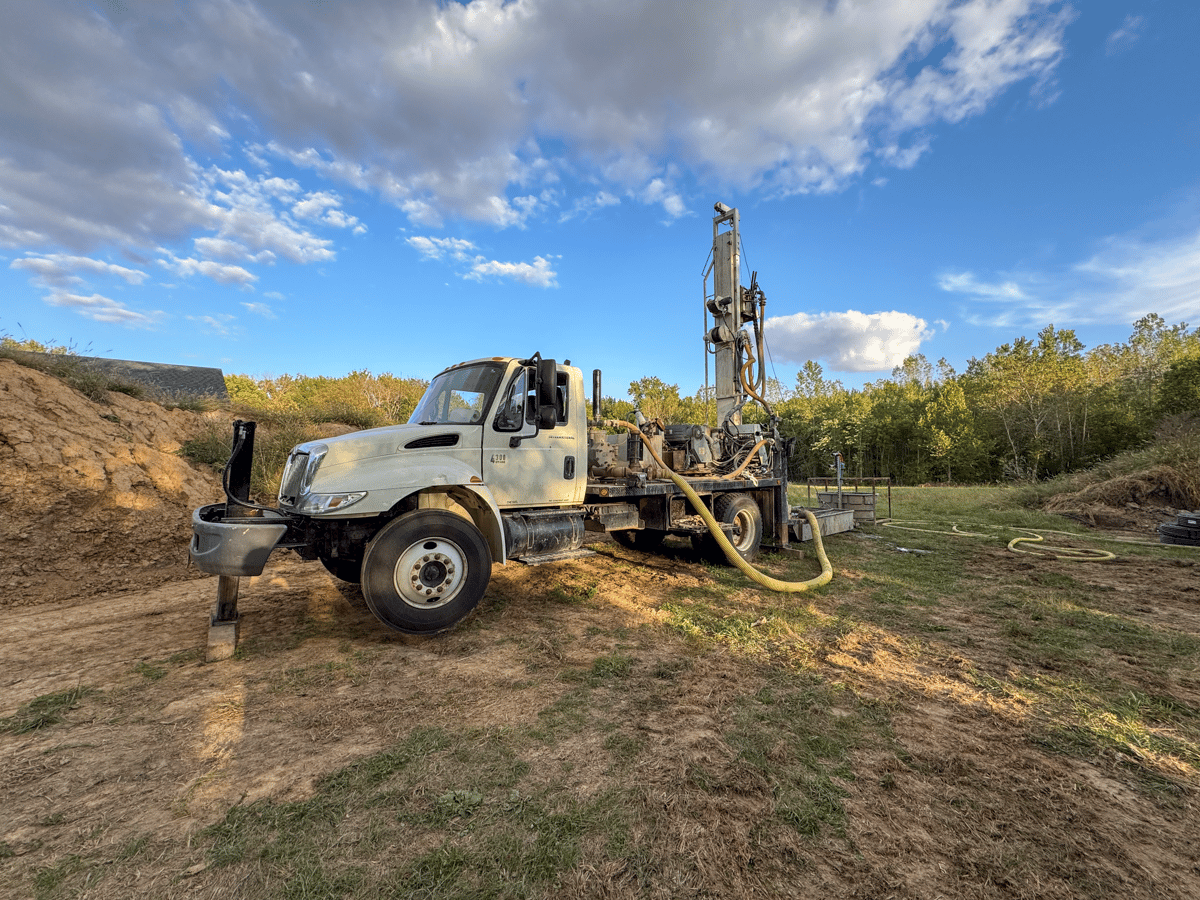
Installed Energy specializes in vertical and horizontal ground loop field installations across Illinois, supporting contractors, homeowners, and building owners with geothermal heat pump projects.
Experience That Delivers Reliable Results
More than 40 years in the geothermal industry
Installed Energy has designed and installed thousands of ground loop fields for projects of every size. That experience means we understand the details that make systems reliable, efficient, and built to last. Our team takes a tailored approach, ensuring every installation meets the unique requirements of the site, the system, and the people who depend on it. Whether working alongside contractors or directly with homeowners and building owners, we bring trusted expertise that makes geothermal heating and cooling a smarter, more dependable choice.

Vertical Loop
Efficient drilling and loop installation for tight spaces. Includes exterior tie-ins and drill, drop & grout services to connect and prepare your geothermal system.
Exterior Tie-In: Connects loop field supply/return lines to the building foundation.
Drill, Drop & Grout Only: Drilling, loop drop, and grout fill.
.png?width=225&height=300&name=geothermal-drilling-camp-office%20(1).png)
Horizontal Loop
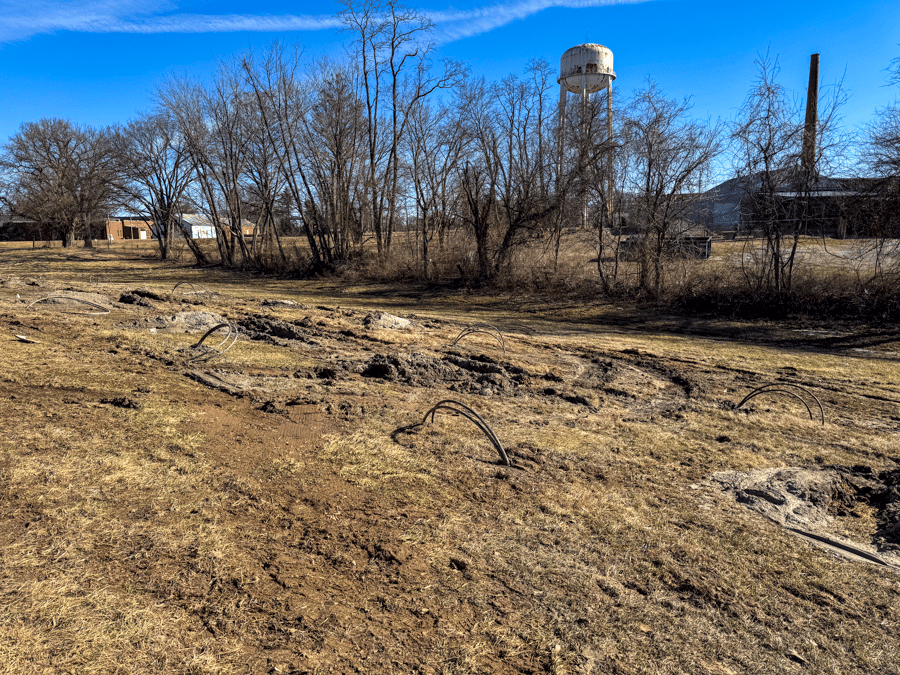
Cost-effective trench installations for properties with open land. Includes trenching, headering, and foundation connection.
Trenched and Headered: Loops installed in trenches, connected to foundation.
.jpg?width=800&height=600&name=IMG_7831%20(1).jpg)
Interior Piping
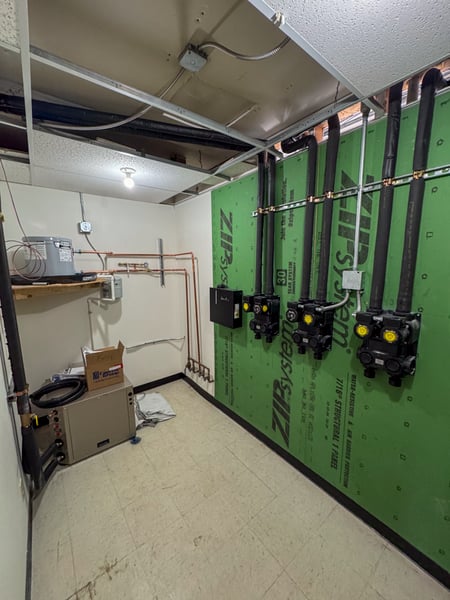
Interior piping and flushing for geothermal heat pump units up to 6 tons. Includes piping, sealing, and flushing/filling of system.
Purging & Flushing per Unit: Pipe runs within 20’ of exterior tie-in location, foundation wall seal, exterior grout bag, and methanol and Fernox F1 inhibitor included.
Geothermal Feasibility
Site evaluation and design services to plan efficient loop fields. Includes preliminary layouts, boreholes, and conductivity tests for larger or complex projects.
Preliminary Design: Layout and equipment planning.
Bore Hole & Conductivity Test: Testing for system design accuracy.

A Space-Saving Option
Vertical loops are ideal for properties with limited space. They take up less room than horizontal loops and typically need less piping overall, thanks to the steady underground temperatures deeper below the surface. For most homes, a vertical loop field requires only a 20’ x 20’ area. Whenever possible, drilling should take place on undisturbed land with 40 feet of overhead clearance to accommodate the equipment.

Specifications
Vertical closed loop fields are made up of holes ranging from 100 to 500 feet deep, spaced about 10 to 20 feet apart, and 4 to 6 inches in diameter. The size and number of holes depend on the geothermal system’s capacity and the property’s heating and cooling needs. In Illinois, most residential systems use ¾” to 1” HDPE loops drilled 150–300 feet deep, while larger commercial systems may go as deep as 500 feet with 1¼” pipe.

Geology And Testing
Local soil and rock conditions influence drilling costs and system design. For larger or more complex projects, a thermal conductivity test is recommended to ensure accurate planning. Because drilling requires a significant amount of water, it’s important to follow state regulations, especially regarding groundwater safety.

Installation Details
At the bottom of each borehole, HDPE pipes are joined with a factory-made U-bend fitting. These loops are connected in shallow trenches, typically about 4 feet underground, before entering the building as supply and return lines.

Performance Benefits
Once installed and properly grouted, vertical loops are ready to use immediately. Good grouting ensures excellent contact between the loop and the surrounding ground, allowing the system to perform efficiently from day one.

Best For Open Land
Horizontal loops are a great choice when at least a half-acre of open space is available. They are installed using trenches dug 5–8 feet deep, with total trench lengths ranging between 100 and 250 feet per ton, depending on system design.
Layout and efficiency
Performance depends on maximizing ground contact and spacing pipes correctly. Too little spacing can cause the system to overheat the soil in summer or draw too much heat in winter. With proper design and an experienced installer, horizontal loops deliver efficient, cost-effective performance.
Installation Process
Horizontal systems are commonly placed in fields, pastures, or areas where landscaping isn’t a concern. Trenches are 8–10 inches wide and about 6 feet deep. Installers lay the first side of the U-bend, backfill two feet of soil, and then lay the second leg at a minimum depth of 4 feet. Tracer wire is added before final backfill.

Site Considerations
Horizontal loops work best in areas with minimal underground utilities, like water or gas lines. Unlike vertical systems, they need a short settling period before reaching peak performance.

Thinking about going with geothermal?
We’d love to help! Schedule a free on-site assessment and quote for the ground loop installation—no pressure, just helpful info.
Ready to get your project on the schedule?
Just fill out our work order form.
You’ll receive a confirmation email that the work order form was submitted, and we’ll call you within 48 business hours to discuss project details.

How Do Geothermal Heat Pumps Work?
An efficient, reliable choice. Geothermal heat pumps—also called ground source systems—are the most efficient way to heat and cool your home or building. They’re cost-effective, energy-efficient, and provide year-round comfort you can count on. By moving heat to and from the earth through underground loop fields, geothermal systems deliver heating, cooling, and even hot water—all in one system.


Forced Air Heating & Cooling
Like a traditional furnace or AC, a geothermal system can distribute air through ductwork and vents. When heating, the system draws warmth from the ground. When cooling, it works in reverse, pulling heat from indoor air to deliver refreshing comfort.

Radiant Heating
Radiant heating warms spaces evenly from the ground up by circulating warm water through pipes beneath the floor. This system provides cozy, consistent heat and can also be used for patios, pools, or combined with forced air for ultimate comfort.

Hot Water Assist
Many geothermal systems include a hot water assist feature, or “desuperheater.” This captures excess heat and uses it to warm household water, reducing water heating costs by up to 40%. Some systems can even provide 100% of a home’s hot water needs.

Cost Savings
Geothermal systems can lower your heating and cooling bills by up to 70% compared to traditional furnaces and air conditioners. They also shield you from fluctuating fossil fuel prices, giving you long-term financial stability.

Longevity
While a furnace or AC typically lasts around 13 years, a geothermal heat pump can last 25 years or more. The underground loop system lasts even longer, delivering reliable performance for decades.

Reliability
Because the equipment is installed indoors and has fewer moving parts, geothermal systems are easier and less expensive to maintain. This durability means fewer breakdowns and lower repair costs.

Safety
Unlike gas, oil, or propane furnaces, geothermal systems don’t rely on combustion. That means no harmful fumes, no carbon monoxide risks, and no fuel leaks or fire hazards—just safe, dependable comfort.

Efficiency
Geothermal systems are incredibly efficient, with performance ratings close to 500%. For every unit of electricity used, they deliver up to four units of heating or cooling by transferring energy between the ground and your home. By comparison, even the best natural gas furnaces top out at about 98%.
Environmentally Friendly
The EPA recognizes geothermal as the most environmentally friendly heating and cooling system available. With minimal electricity use and maximum energy transfer, they support sustainable, net-zero living.

Financial Incentives
Many states, municipalities, and utilities offer rebates, tax credits, or low-interest financing for geothermal installation. These incentives make it easier and more affordable to make the switch.







We partner with trusted HVAC contractors to make geothermal installation simple and stress-free.
Need a quote for the ground loop field? We’ve got you covered. Looking for total system pricing? We’ll connect you with reliable HVAC professionals in your area who can provide competitive quotes. Ready to get started? Reach out today and let’s bring geothermal to your home!